From concept to fielded capability in months
How additive manufacturing, in-house production, and direct operator feedback are compressing years of traditional development into months.
Defense technology has traditionally been built around long development cycles. Design. Prototype. Tool. Test. Manufacture. Field. Then start the process again when something needs to change. AIRUS was built differently.
From the beginning, AIRION designed AIRUS around a simple idea: the product should be able to evolve as quickly as the mission does.
That meant bringing engineering and manufacturing under one roof. It meant designing around additive manufacturing instead of treating 3D printing as a tool used only for prototypes. Most importantly, it meant getting new designs into the hands of the pilots who would actually use them as quickly as possible.
We never wanted to spend two years developing something behind closed doors and then hand it to a pilot. We wanted to build it, fly it, fix what wasn’t right, and fly it again. That became our entire development philosophy: Fly. Fix. Fly.
The result is a development cycle measured in weeks and months — not years.
3D printing isn’t just how we prototype. It’s how we manufacture.
For AIRUS, additive manufacturing isn’t a prototyping step. It’s part of the production architecture.
Critical AIRUS components are digitally designed and manufactured in-house using industrial SLS 3D printing. This gives our engineering team direct control over geometry, materials, production, and iteration without waiting for conventional tooling.
When a component needs to change, we don’t necessarily need a new mold or a months-long manufacturing transition. We change the design. We print it. We test it. We fly it.
The biggest change happened when we brought SLS manufacturing in-house. Suddenly an engineering change wasn’t something we waited weeks to see. We could make the change, print functional hardware and evaluate it immediately. That completely changed the speed of the program.
That fundamentally changes the speed at which a defense product can evolve.
The pilot becomes part of the engineering team.
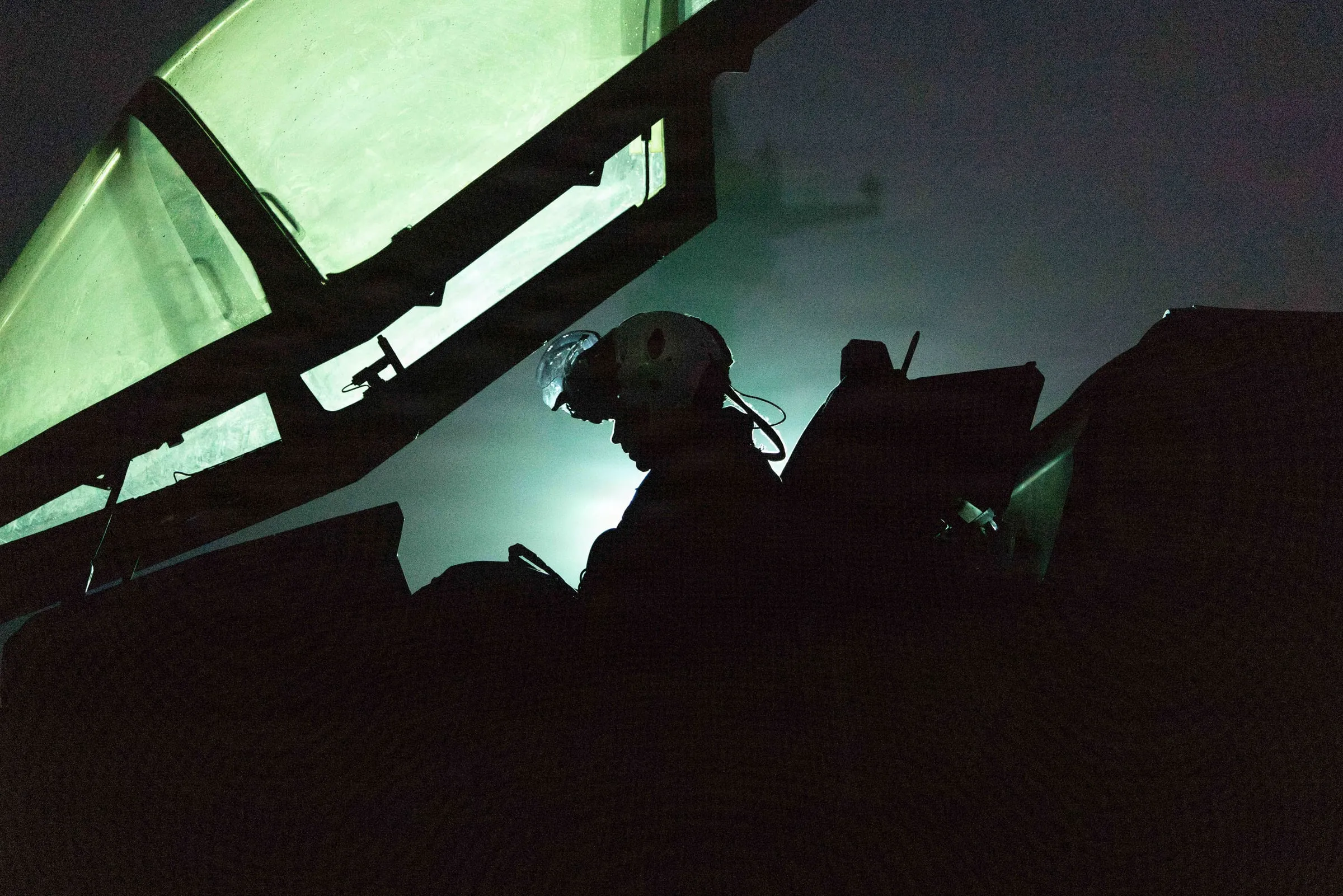
Some of the most valuable engineering feedback doesn’t happen in a conference room. It happens strapped into an aircraft.
AIRUS has been developed alongside the pilots and aircrew who use it. Their feedback moves directly back to our engineering team, where changes can be modeled, manufactured, evaluated, and incorporated into the next iteration.
A pressure point becomes a geometry change. A routing problem becomes a redesigned connector. A fit issue becomes a new interface shape.
And because those parts are manufactured digitally, improvements don’t have to wait for the next traditional tooling cycle. Operator feedback becomes engineering input. Engineering becomes hardware. Hardware goes back to the operator. Then the cycle repeats.
The pilot is effectively part of our development team. When somebody comes back from a flight and tells us something needs to move five millimeters, that’s actionable engineering data. We can make that change and get another physical part back in their hands incredibly fast.
Five female interfaces. Two male interfaces. One system.
The AIRUS interface is one of the clearest examples of what this approach makes possible. Human anatomy isn’t one-size-fits-all. Neither is the cockpit.
AIRUS uses five female interface shapes and two male interface designs, engineered around comfort, fit, and performance in the seated flight environment.
Producing that level of variation with conventional manufacturing can require significant tooling investment for every geometry. Additive manufacturing changes the equation.
Complex geometries and multiple configurations can exist within the same production ecosystem. That allows AIRION to engineer around the operator instead of forcing the operator around the limitations of the manufacturing process.
3D printing gives us the freedom to design for the human first. We’re not asking whether a geometry is convenient to mold. We’re asking what shape actually works best for the pilot, and then we figure out how to manufacture it.
Beneath those interfaces is a universal architecture. The controller, pump, tubing, and collection system remain common across the platform. Different pilots. Different aircraft. One core system.
From fighter aircraft to entirely new environments.
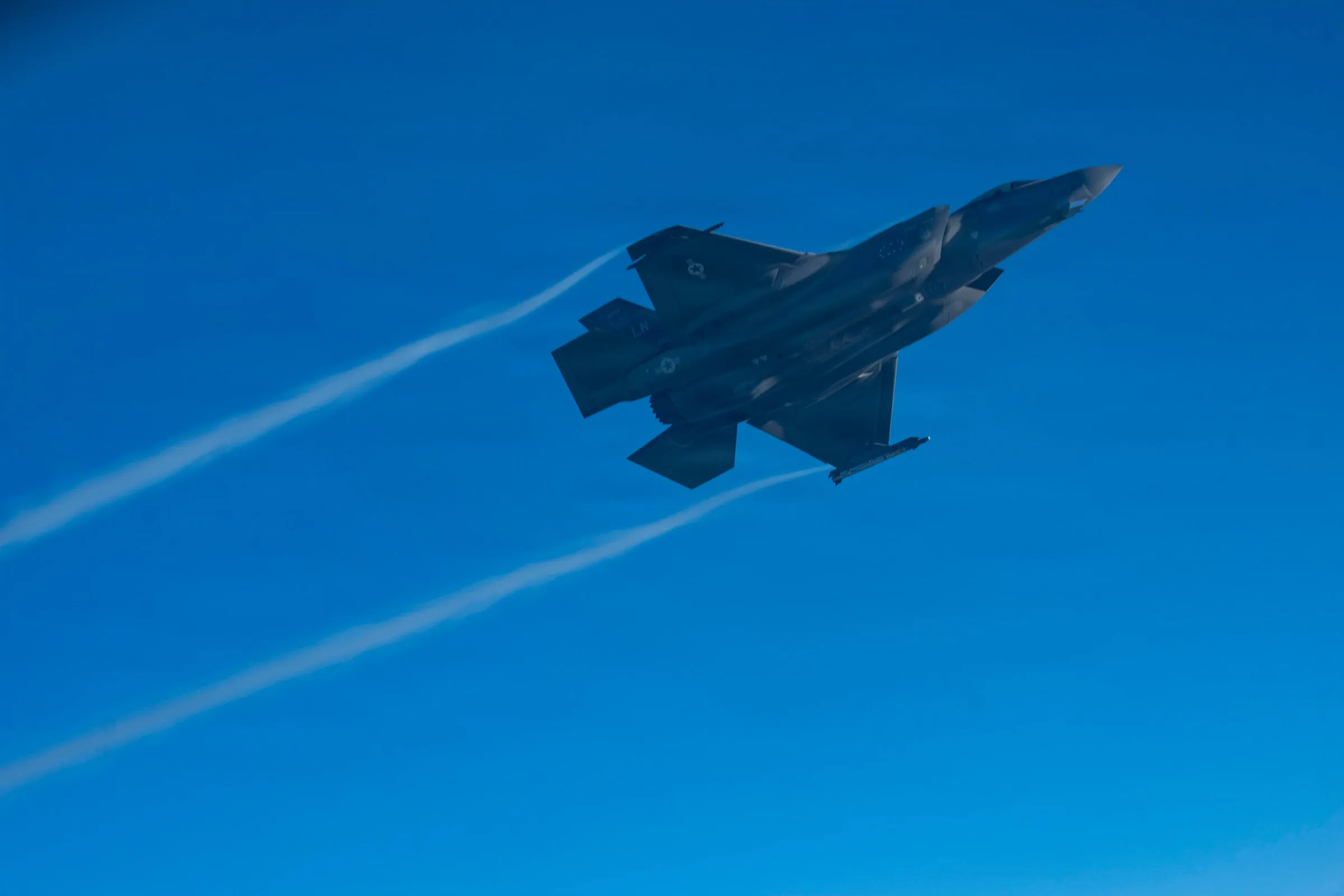
That same architecture allows AIRUS technology to move beyond a single aircraft or mission profile. AIRUS was designed as a modular system. When a new requirement emerges, our engineers don’t have to begin with a blank sheet of paper.
The core technology remains. The interface can change. The connection method can change. The mounting or integration can change. Individual components can be redesigned around a new environment while preserving the larger system architecture.
We didn’t want to build one product for one aircraft. We wanted to build a technology platform that we could rapidly adapt around the operator, the aircraft and the mission.
That philosophy has allowed AIRION to adapt bladder relief technology for different military aviation requirements and continue developing systems for entirely new environments.
Instead of asking how we make the existing product fit, we can ask what this operator and this mission actually need — and then build toward it.
Hardware can move at software speed.
Software companies can deploy an update overnight. Physical products can’t. But the gap doesn’t have to be as large as it traditionally has been.
Digital manufacturing allows AIRION to maintain a continuously evolving hardware platform. CAD becomes production data. Production data becomes a physical component. Testing and operator feedback inform the next digital revision.
There doesn’t have to be a hard boundary between prototype and production. The same manufacturing infrastructure that helps us rapidly develop a component can also manufacture the final component.
We started looking at hardware much more like software. Version one doesn’t have to be the end of the story. If we learn something from the field, we should be able to improve the product and get that improvement back to the operator as quickly as possible.
That matters when requirements change. It matters when an aircraft integration creates an unexpected constraint. And it matters when the people using the equipment identify a better way to do something.
For defense systems, iteration speed isn’t simply a manufacturing advantage. It’s a capability.
Build. Fly. Learn. Repeat.
Rapid development doesn’t mean skipping qualification or lowering standards. It means reaching the right design faster.
AIRUS components still have to perform in demanding aviation environments. But additive manufacturing lets AIRION iterate aggressively before and throughout that process. Instead of spending months perfecting a design based primarily on assumptions, we can manufacture it, evaluate it, learn from it, and improve it.
Every cycle creates a better product. Every flight creates better information. Every operator can help identify the next improvement.
Speed doesn’t mean lowering the standard. It means eliminating the dead time between learning something and doing something about it.
Manufacturing at the speed of the mission.
The future of defense manufacturing won’t be defined only by who can build the most hardware. It will also be defined by who can adapt hardware the fastest.
New aircraft create new requirements. Operators identify problems engineers didn’t anticipate. Missions change. Equipment evolves. The manufacturing system behind the product has to be capable of evolving with them.
That’s what we’re building at AIRION. AIRUS isn’t a static product developed once and frozen. It’s a continuously evolving platform built around additive manufacturing, direct operator feedback, and an engineering team capable of turning lessons from the field into physical hardware on accelerated timelines.
Our job is to close the distance between the warfighter identifying a problem and the warfighter holding the solution. Additive manufacturing lets us make that distance incredibly short.
Requirement → Design → Print → Fly → Improve. Then do it again. That’s how we believe defense hardware should be built.
- Development philosophy
- Fly. Fix. Fly.
- Manufacturing
- Industrial SLS additive, in-house
- Interface shapes
- Five female, two male — one common architecture
- Iteration cycle
- Weeks and months, not years
- Common across platform
- Controller, pump, tubing, collection system
- additive manufacturing defense
- SLS 3D printing
- rapid prototyping military hardware
- AIRUS development
- operator feedback engineering
- digital manufacturing