AIRUS is back on the ISS
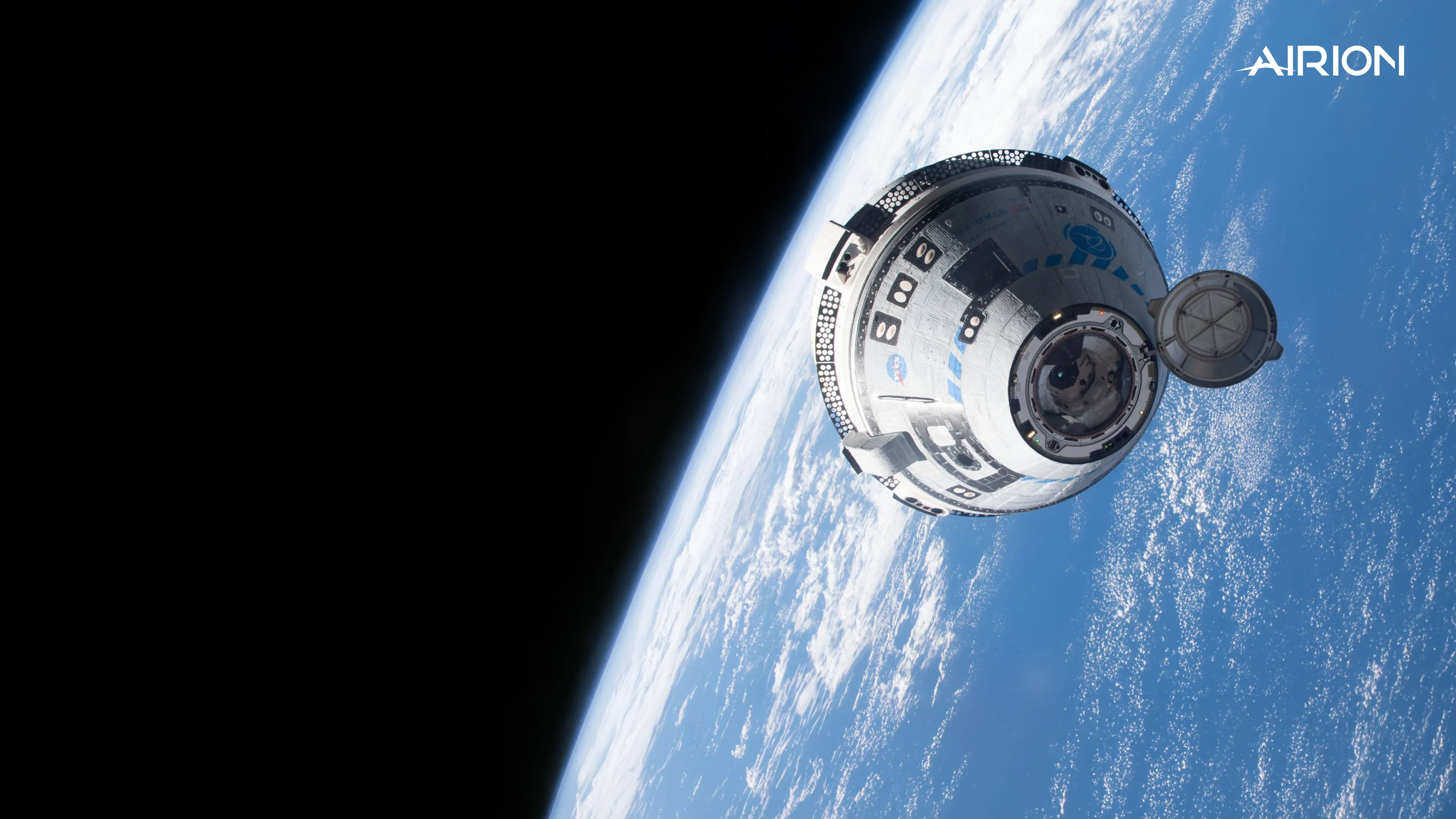
AIRUS returns to the International Space Station aboard NASA’s SpaceX Crew-13 — upgraded, optimized, and redeployed following feedback from Crew-12.
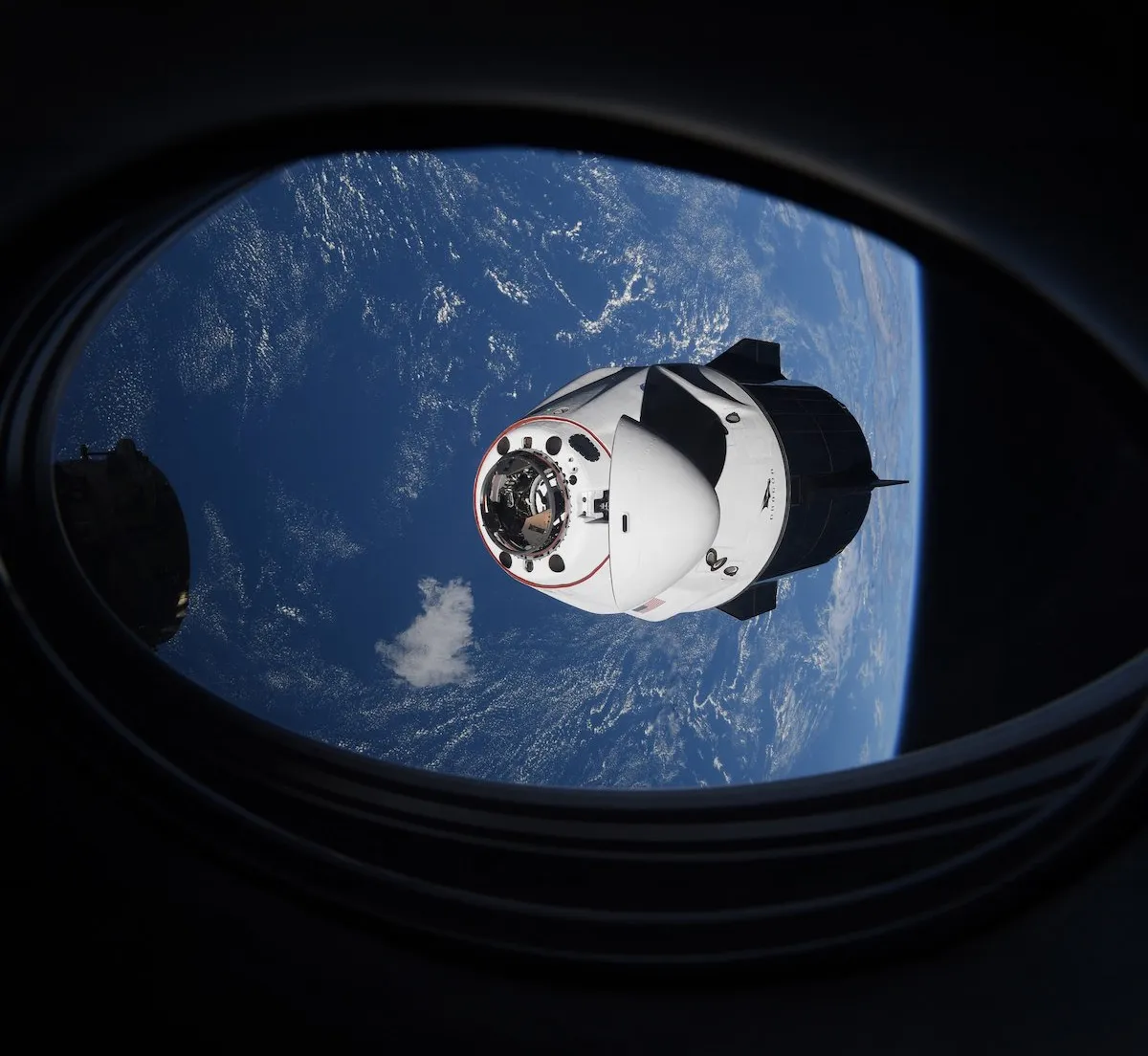
On October 1, NASA’s SpaceX Crew-13 launched four astronauts to the International Space Station. Just 7 hours and 55 minutes later, Dragon docked with the station — the fastest launch-to-docking flight by a U.S. spacecraft in ISS history.
And AIRUS is back in orbit.
Following its first operational spaceflight aboard Crew-12 earlier this year, AIRUS returned with Crew-13 with a new round of improvements driven by feedback from its first mission.
From feedback to flight. In days, not months.
One of the fundamental ideas behind AIRION is that hardware should be able to evolve quickly.
Using advanced in-house manufacturing capabilities and proprietary additive manufacturing techniques, AIRION can move from operator feedback to engineering changes, functional hardware, testing, and deployment on timelines measured in days instead of months.
Following Crew-12, AIRION worked closely with Boeing and NASA teams to review feedback, identify opportunities for improvement, and rapidly optimize AIRUS for its next mission.
Designs were updated. Components were manufactured. The system was tested, refined, and prepared for Crew-13.
Then it went back to space.
The most exciting part for our engineering team was how quickly we could turn real mission feedback into physical improvements. We were able to make design changes, manufacture new hardware, test it, and get an optimized system ready for the next crew without waiting on a traditional production cycle. That is exactly what advanced manufacturing should enable.
AIRION’s manufacturing approach allows development and production to exist within the same rapid cycle. Instead of waiting months for traditional tooling and manufacturing changes, engineers can redesign, manufacture, evaluate, and deploy new hardware on dramatically compressed timelines.
For human spaceflight, where every mission creates new information, that ability to learn and respond quickly matters.
Crew-13 is exactly what we built AIRION to do. Learn from the mission, improve the hardware, and get a better system back to the operator as quickly as possible. Being able to make those improvements between Crew-12 and Crew-13 was only possible because of the incredible collaboration and hard work between AIRION, Boeing, NASA, and the teams supporting the International Space Station.
From the cockpit to orbit.
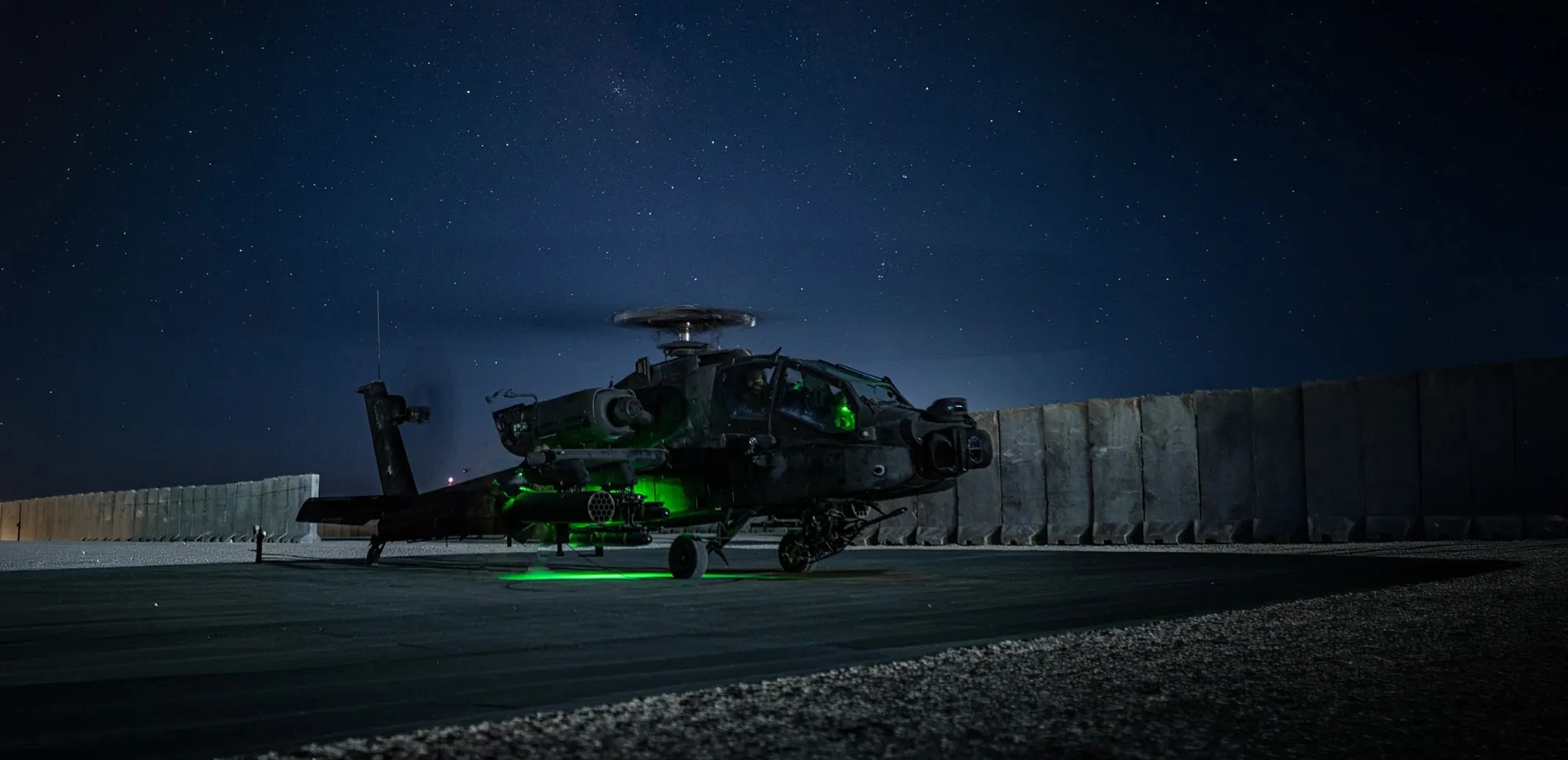
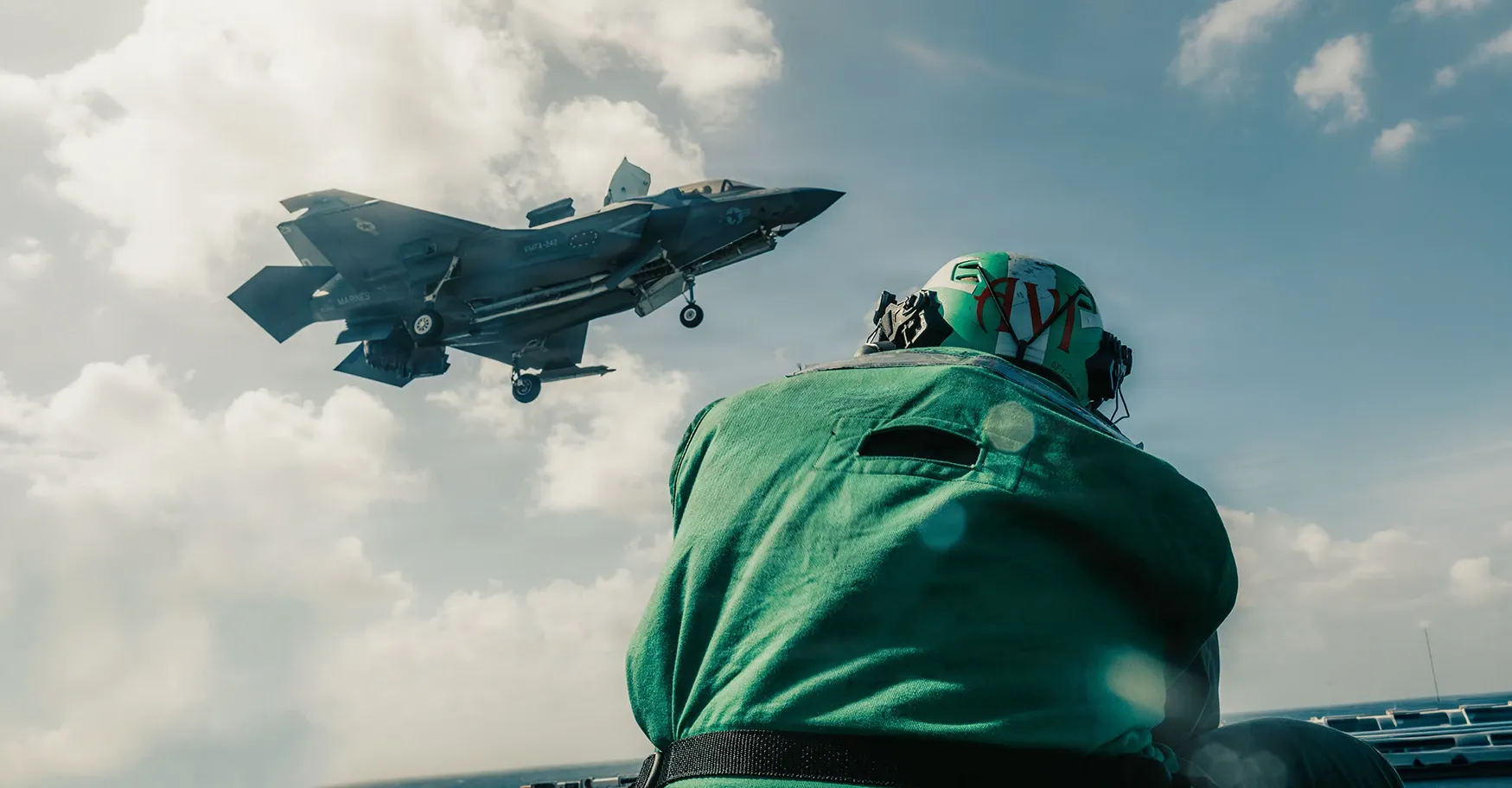
AIRUS began as technology developed around the needs of military aircrew. Today, that technology is helping explore solutions for one of the most demanding human environments imaginable.
Crew-13 represents more than another trip to orbit.
It represents the next iteration.
Fly. Fix. Fly.
AIRION is incredibly proud to continue working alongside Boeing, NASA, and International Space Station teams as AIRUS advances into its next chapter of human spaceflight.
From Crew-12 to Crew-13. From feedback to flight.
- Mission
- NASA SpaceX Crew-13, launched Oct. 1, 2026
- Launch to docking
- 7 hours 55 minutes
- Previous flight
- NASA SpaceX Crew-12, Feb. 13, 2026
- Partners
- Boeing, NASA and International Space Station teams
- AIRUS
- AIRION
- NASA SpaceX Crew-13
- International Space Station
- human spaceflight
- additive manufacturing
- in-flight bladder relief