AIRUS in space: the in-flight relief system now flying on the ISS
AIRUS — the Advanced Inflight Relief Urination System — launched aboard NASA’s SpaceX Crew-12 mission on Feb. 13, 2026 and is now in use on the International Space Station. It is the same cup-and-suction system qualified for fighter aircrew, evaluated in microgravity.
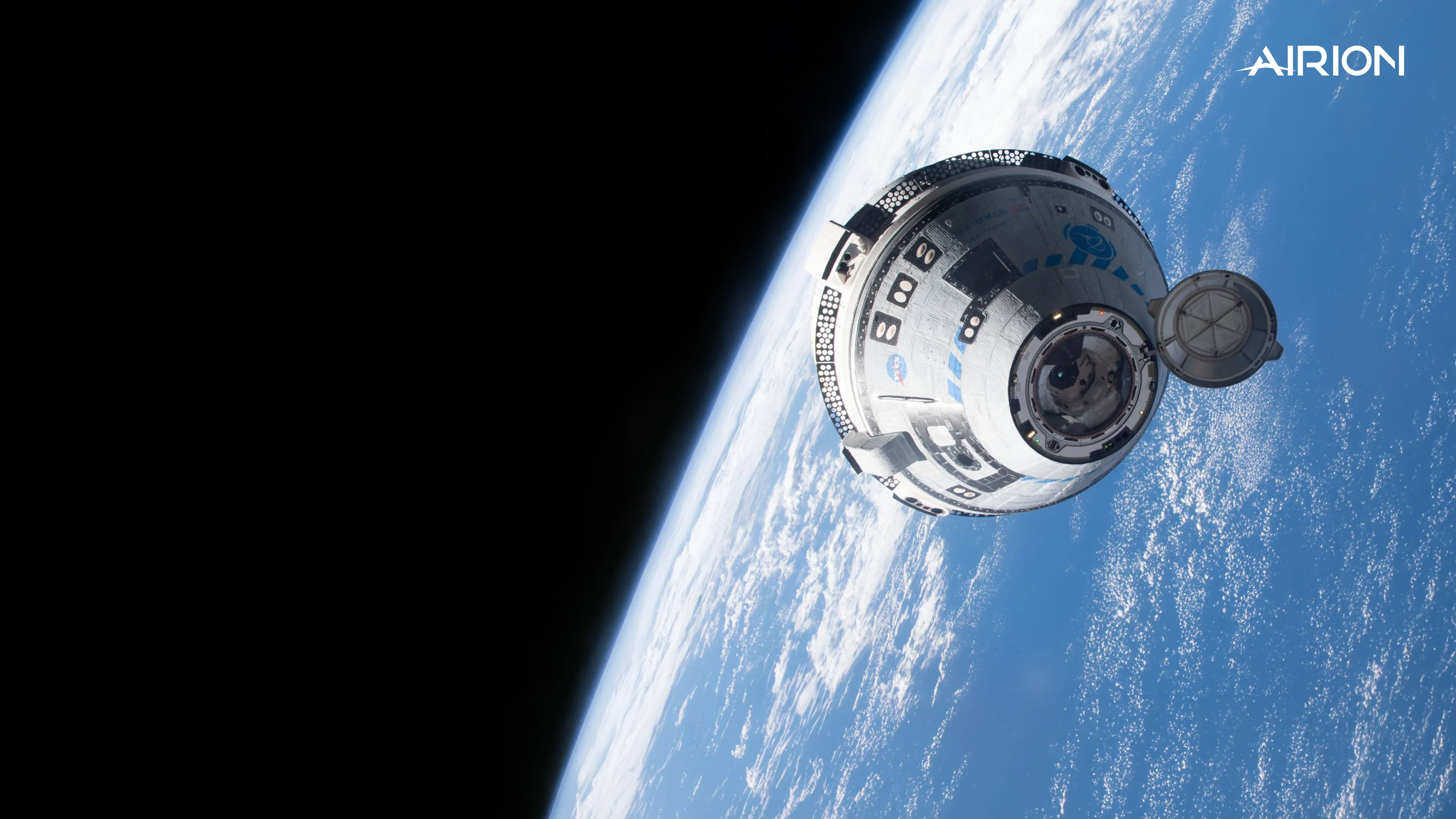
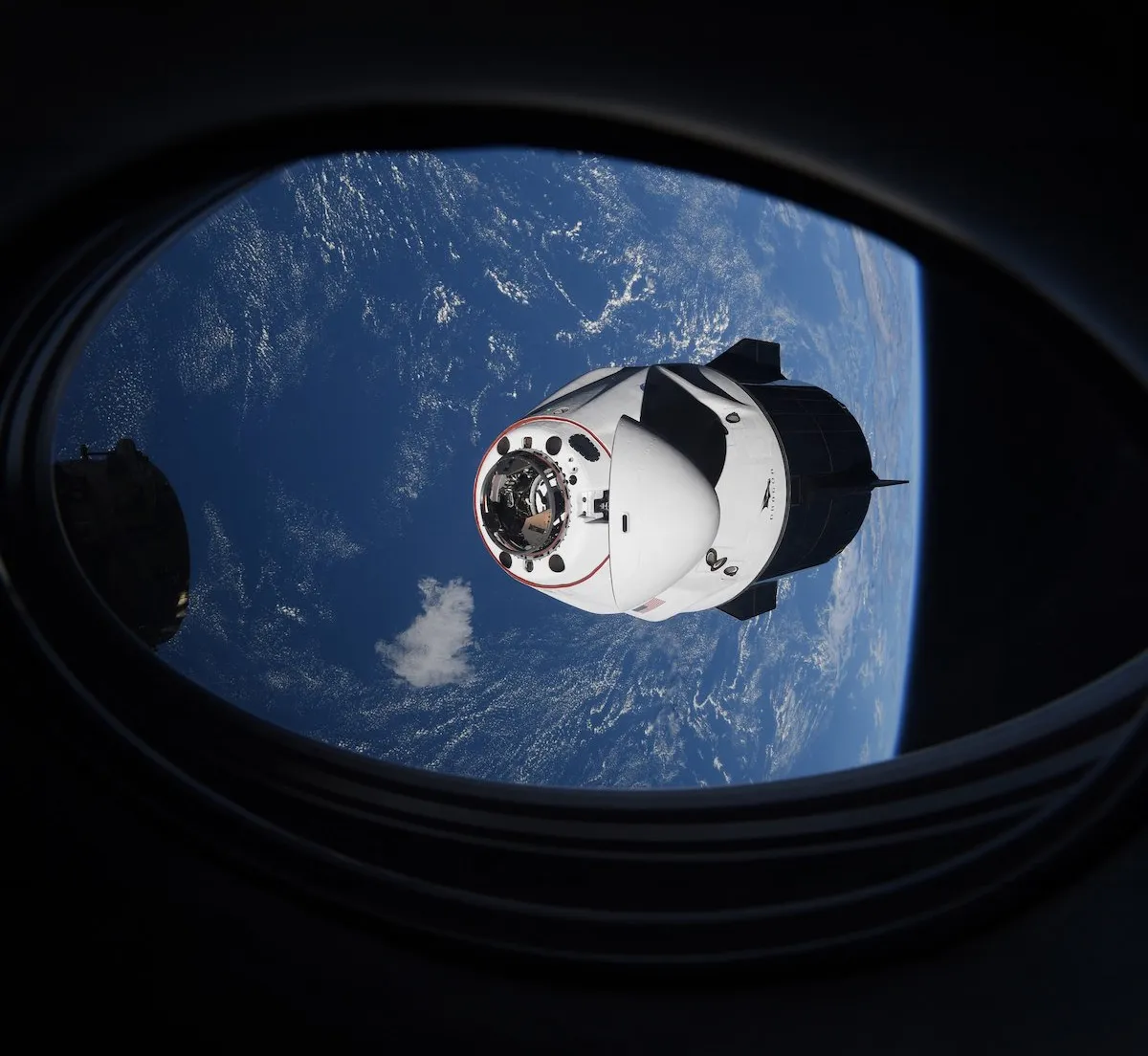
AIRUS is in space. On Feb. 13, 2026, the Advanced Inflight Relief Urination System launched aboard NASA’s SpaceX Crew-12 mission to the International Space Station as a technology demonstration — the first time the system has flown on an operational spaceflight. The hardware on orbit is the same cup-and-suction architecture AIRION qualified for aircrew: a reusable controller, a disposable fluid path, and an interface range fitted to both male and female crew members.
Before launch, NASA evaluated the system at Johnson Space Center in Houston with medical and engineering teams, confirming the interface range works for the full crew and that the system suits long-duration human exploration and science missions. Microgravity removes the one thing terrestrial waste management quietly depends on — gravity-assisted drainage — which is exactly why a suction-driven fluid path transfers so cleanly from a cockpit to a station.
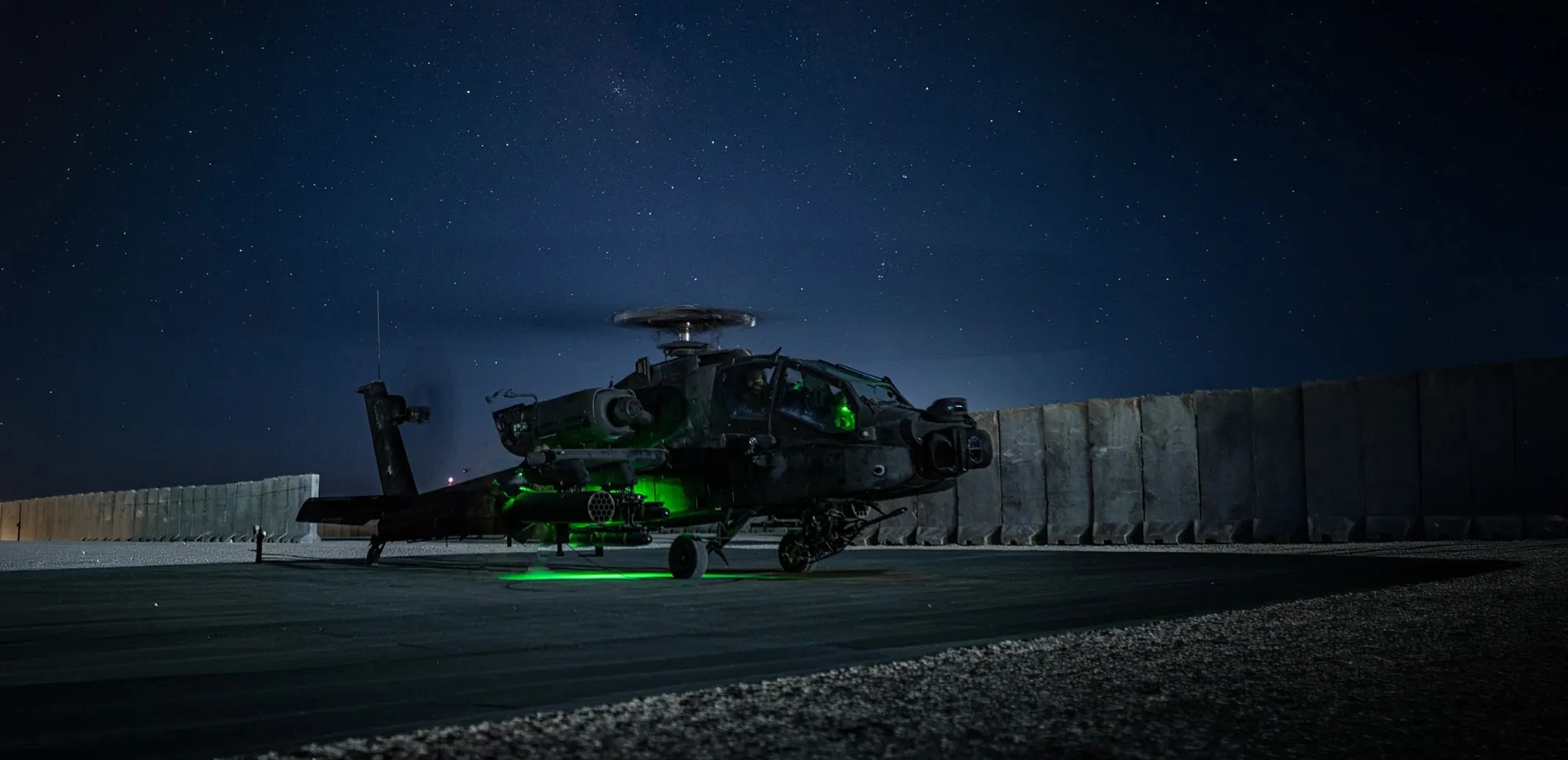
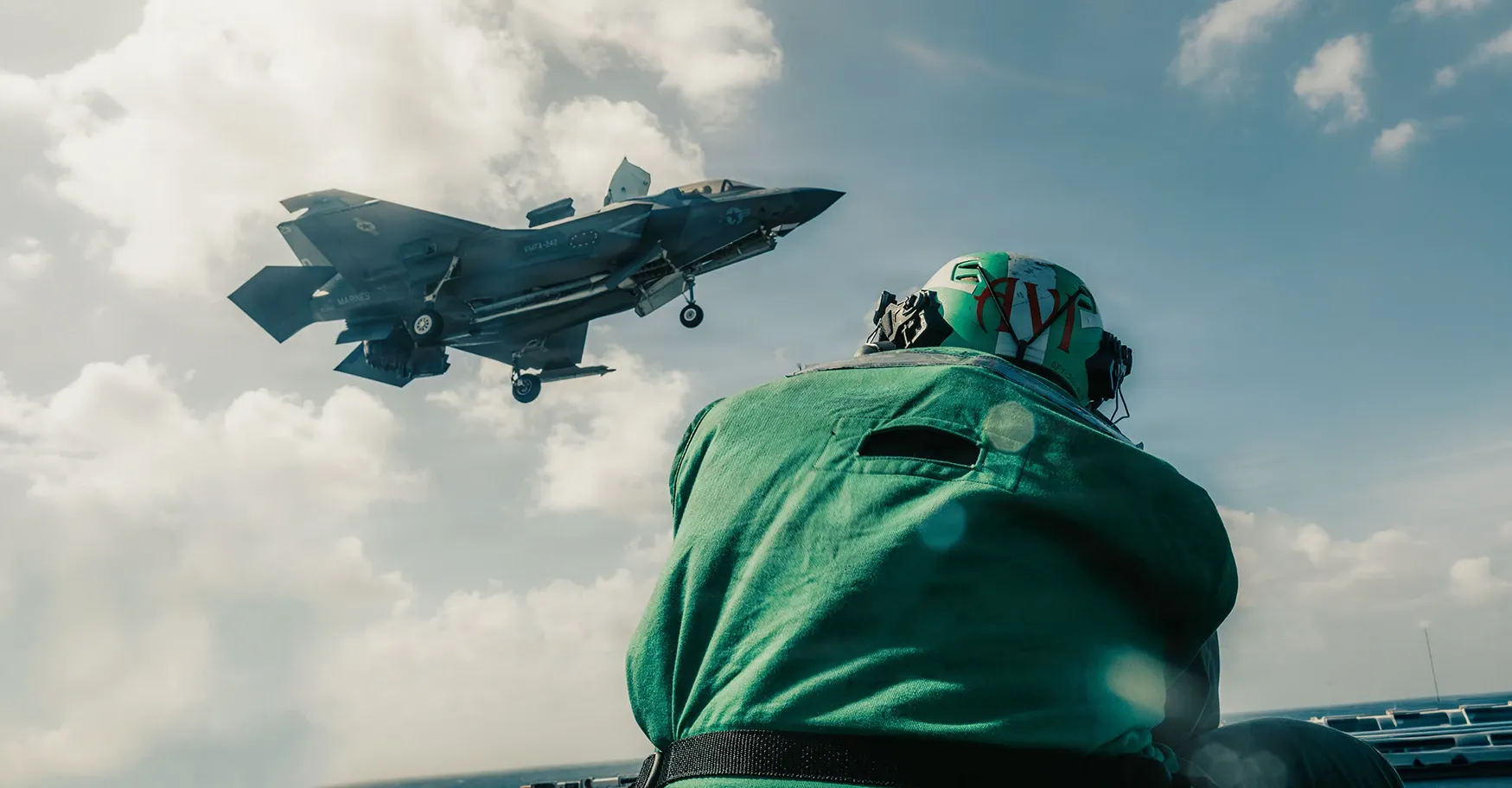
The path to orbit started in a fighter cockpit. For years, in-flight relief options were designed around male anatomy and left female aircrew without a practical solution, so crews hydrated less to avoid the problem. Tactical dehydration is not a comfort issue; it shows up in judgement, G-tolerance and endurance on long sorties.
In 2020 the Air Force Life Cycle Management Center partnered with the AFWERX Challenge program on the Sky High Relief Challenge to find a solution usable by every aircrew member regardless of gender. More than 50 companies submitted proposals. AIRUS came out of that process and went into testing rather than into a report.
Flight and environmental testing began in December 2023 with AFRL’s 711th Human Performance Wing at Wright-Patterson Air Force Base, and with Air Combat Command at Seymour Johnson and Eglin. The system met safety and performance requirements, transitioned to an operational product, and became orderable by government buyers through GSA Advantage.
Capt. Madeleine Poisson, an F-15E weapons systems officer with the 48th Fighter Wing who supported operational testing, described the gap the system closed: “it was a very common problem, and it was acknowledged even by our instructors that many women did not know how to relieve themselves in the jet.” Male aircrew adopted it too — F-16 pilot Capt. Charles Boynton said the system made waste management on multi-hour sorties more manageable and cut the number of collection bags he had to carry.
AIRION designed AIRUS with aerospace-grade materials, thermal regulation and an interface range sized from operator feedback rather than a single average. That is the reason the same hardware reads as a credible spaceflight article: the qualification envelope for an ejection seat at altitude already covers most of what a station crew needs from a fluid-management device.
The ISS demonstration runs alongside continued fielding across the Air Force, Navy, Marine Corps and Army, with more than 100 AIRUS SKUs live on GSA Advantage. Next configurations in work are rotary-wing specific and a space variant informed directly by crew feedback from orbit.
- Launch
- NASA SpaceX Crew-12, Feb. 13, 2026
- Platform
- International Space Station — technology demonstration
- Pre-flight evaluation
- NASA Johnson Space Center, Houston
- Origin program
- AFWERX Sky High Relief Challenge (2020)
- Aircrew qualification
- 711th Human Performance Wing; ACC at Seymour Johnson and Eglin
- Availability
- 100+ SKUs on GSA Advantage
- AIRUS in space
- AIRUS ISS
- in-flight relief system
- AIRION AIRUS
- astronaut waste management
- AFWERX Sky High Relief Challenge