AIRUS expands beyond the Air Force
AIRUS expands beyond the U.S. Air Force as the bladder relief system moves into U.S. Marine Corps aviation.
One system. More missions.
AIRUS started with a problem inside the fighter cockpit: pilots were restricting hydration because the bladder relief systems available to them weren’t meeting the realities of the mission.
The U.S. Air Force set out to change that through the AFWERX Sky High Relief Challenge. AIRION’s answer became AIRUS — the Advanced Inflight Relief Urination System.
What began as a solution for Air Force fighter pilots is now expanding much further.
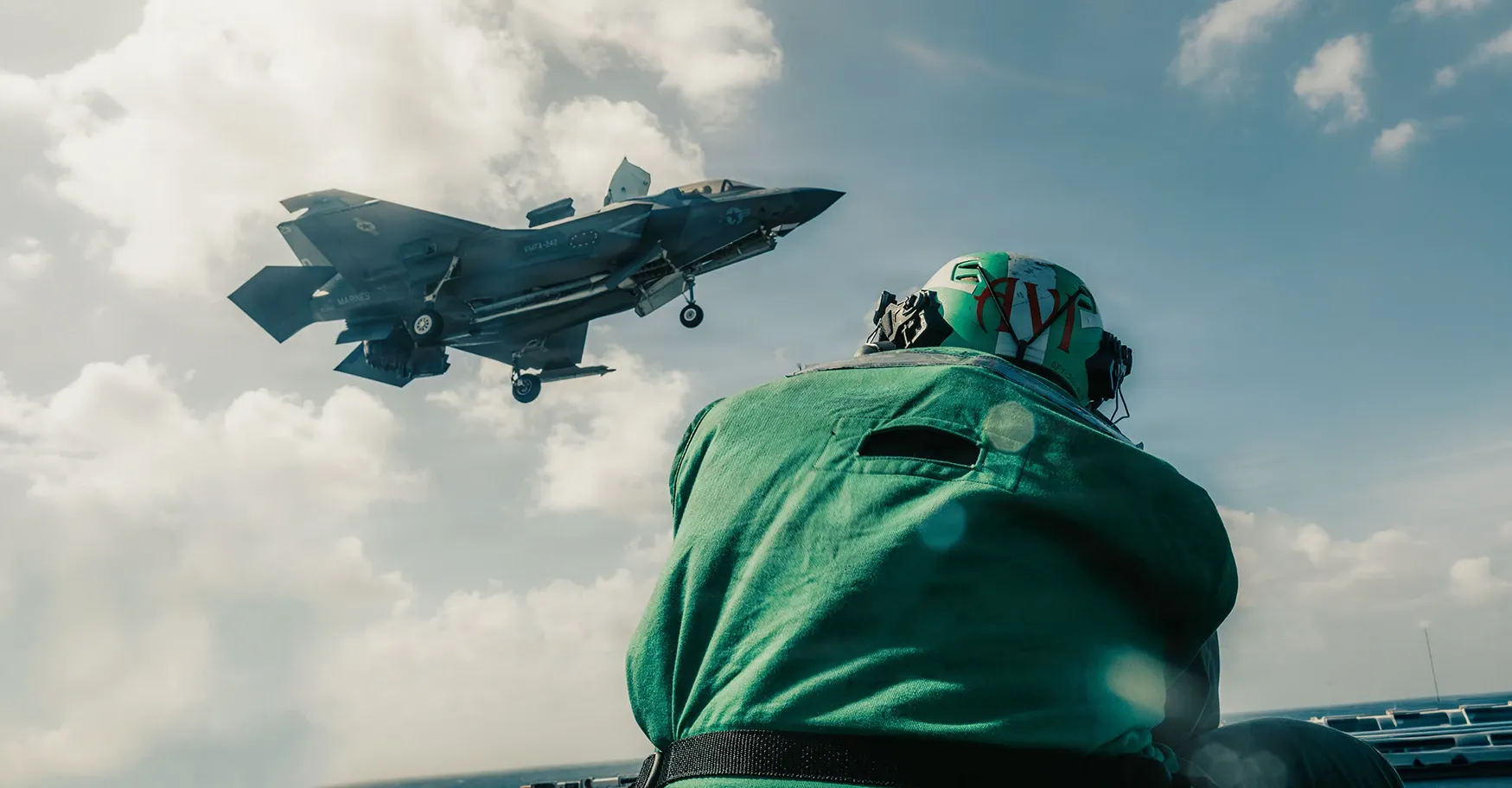
AIRUS is moving into the U.S. Marine Corps.
Built for aviation. Not one aircraft.
From the beginning, AIRUS was designed around the person inside the aircraft — not around a single platform.
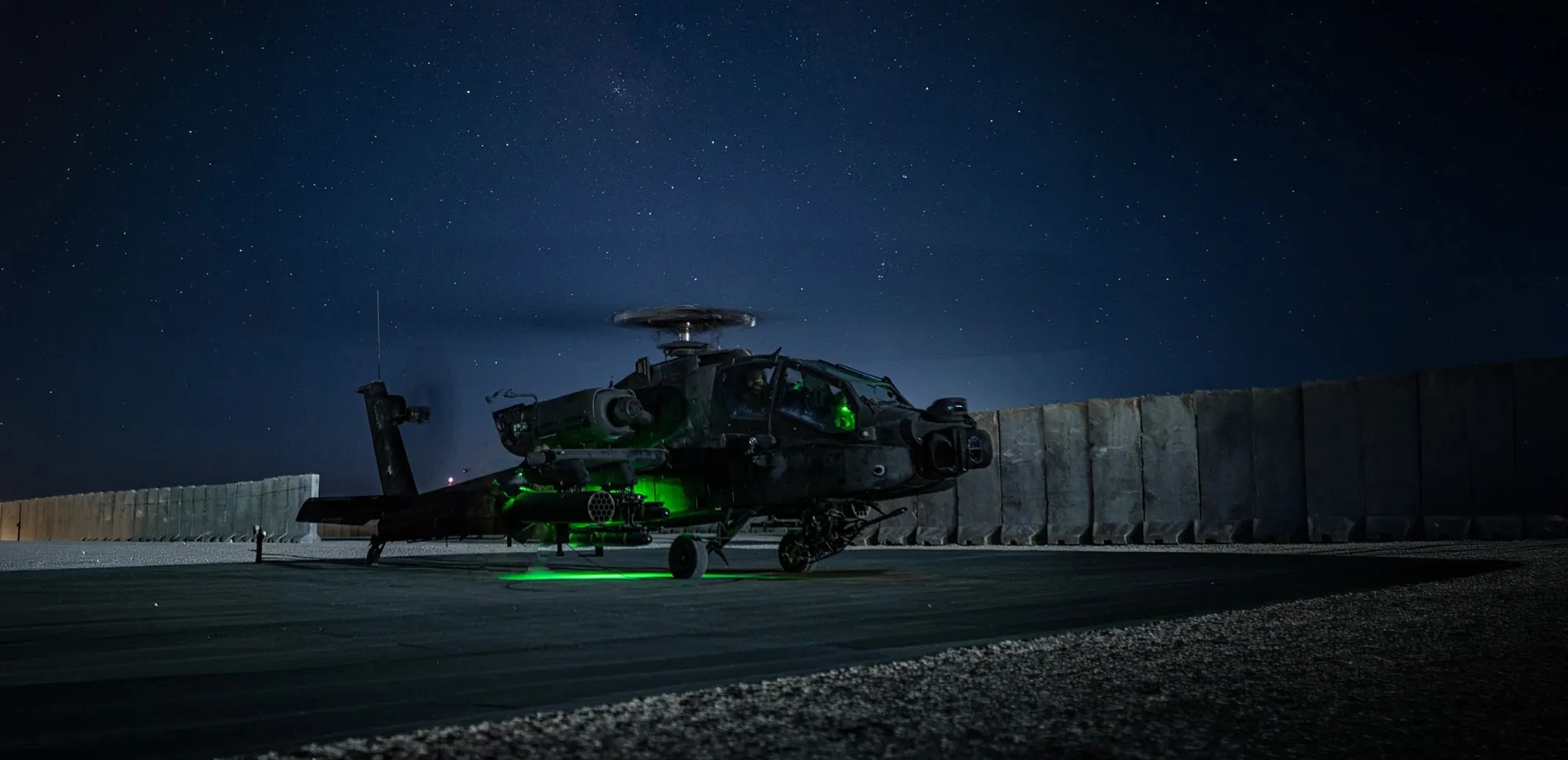
Fighters. Bombers. Helicopters. Tiltrotors. Long-duration missions.
Different aircraft create different environments, but the fundamental requirement remains the same: aircrew need to stay hydrated without bladder relief becoming another problem to manage in the cockpit.
AIRUS provides male and female aircrew with a purpose-built system designed to be worn comfortably with flight equipment, operated while remaining strapped in, and used without breaking focus from the mission.
The core architecture stays consistent across users: a reusable controller, pump, tubing and collection system paired with an interface engineered specifically for the operator.
One system built to move across aircraft, missions and services.
From Air Force fighter pilots to Marine aviators.
AIRUS has already been evaluated across multiple Air Force fighter communities, including the F-15, F-16, A-10 and F-35. The program originally emerged from an Air Force effort focused on improving bladder relief for female fighter pilots before expanding into a universal system for both male and female aircrew.
The next chapter is Marine aviation.
Working with Marine aviators gives AIRION the opportunity to bring AIRUS into new aircraft, new mission profiles and new operating environments while maintaining the same fundamental system.
For AIRION, that’s an important step toward a larger goal:
Bladder relief shouldn’t be an aircraft-specific solution. It should be part of modern aircrew equipment.
A platform that keeps expanding.
The move into the Marine Corps follows another major expansion for AIRUS.
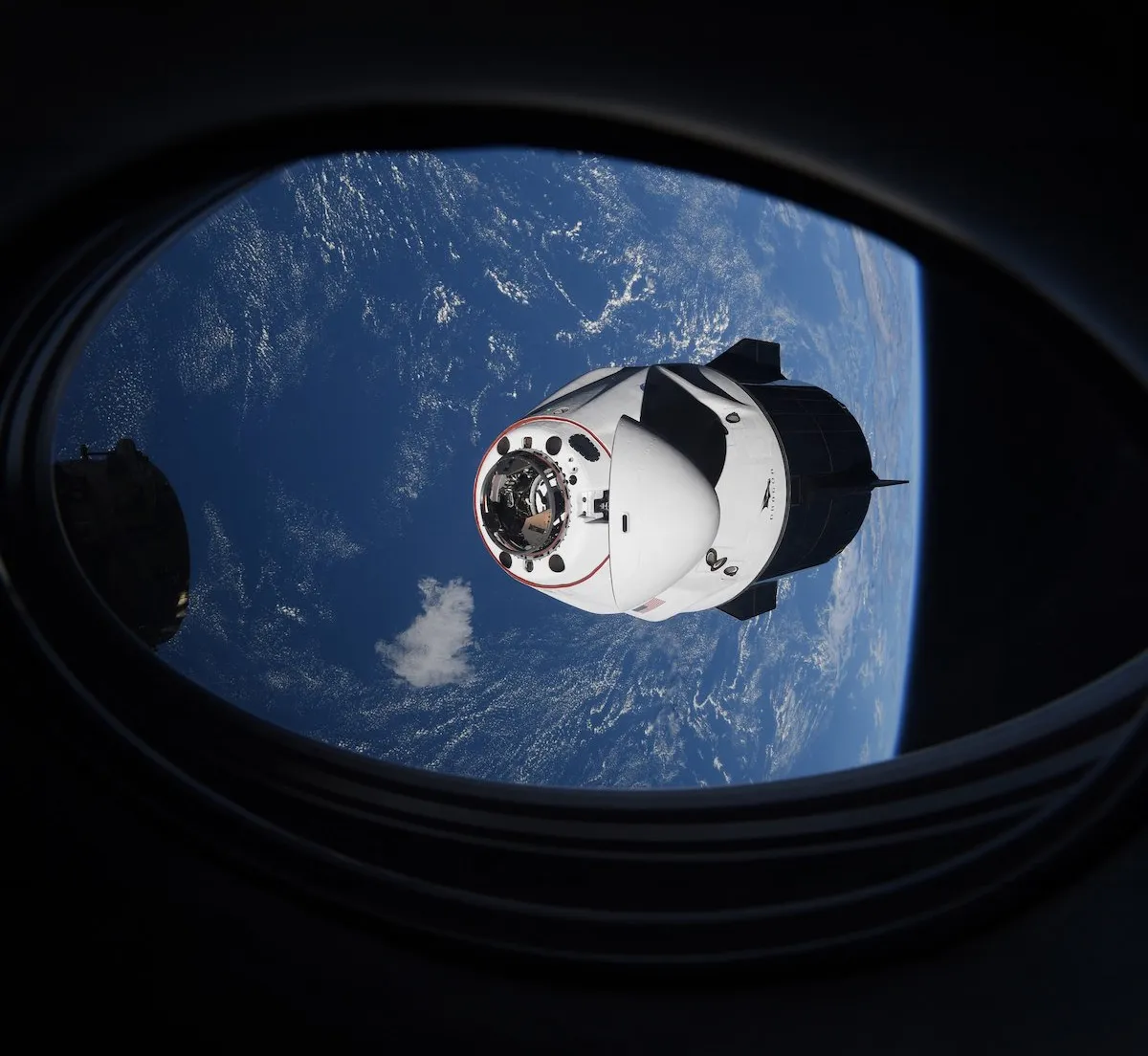
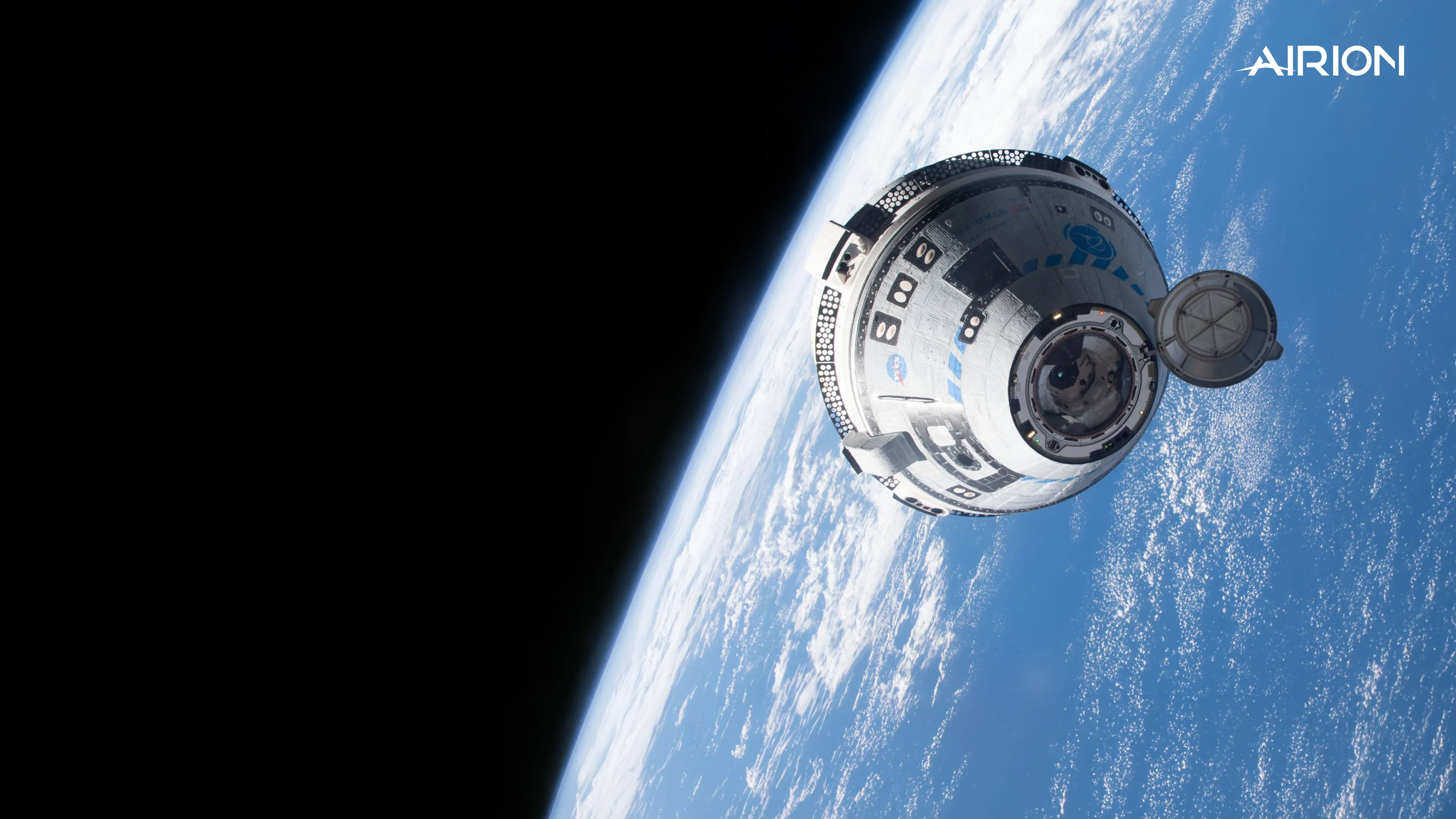
Technology originally developed through the Air Force program traveled far beyond military aviation in February 2026, when an AIRUS system launched aboard NASA’s SpaceX Crew-12 mission to the International Space Station as a technology demonstration. NASA had previously evaluated the technology at Johnson Space Center with medical and engineering teams.
From fighter cockpits to human spaceflight, each new environment reinforces the same idea:
The human problem doesn’t disappear when the platform changes.
AIRUS started with fighter pilots, but the problem was never exclusive to fighter pilots. Our goal is to give every aircrew member a better solution — regardless of what they fly or where the mission takes them.
Every pilot. Every mission.
AIRUS was built around a basic belief: pilots shouldn’t have to restrict hydration because of the equipment available to them.
As the system expands from the U.S. Air Force into the U.S. Marine Corps, AIRION is continuing to build toward something bigger than a solution for a single aircraft or service.
One system. Male and female. Fixed-wing and rotary-wing. Across the force.
Because the aircraft may change.
The mission may change.
The human requirement doesn’t.
- Program origin
- AFWERX Sky High Relief Challenge
- Expanding to
- U.S. Marine Corps aviation
- Also flown
- NASA SpaceX Crew-12 to the ISS, February 2026
- AIRUS
- AIRION
- U.S. Marine Corps aviation
- in-flight bladder relief
- aircrew equipment
- AFWERX Sky High Relief Challenge