AIRUS is working on a new helicopter system
AIRION is developing a new rotary-wing configuration of AIRUS for U.S. Army and U.S. Air Force helicopter aircrew.
Longer flights need a better solution.
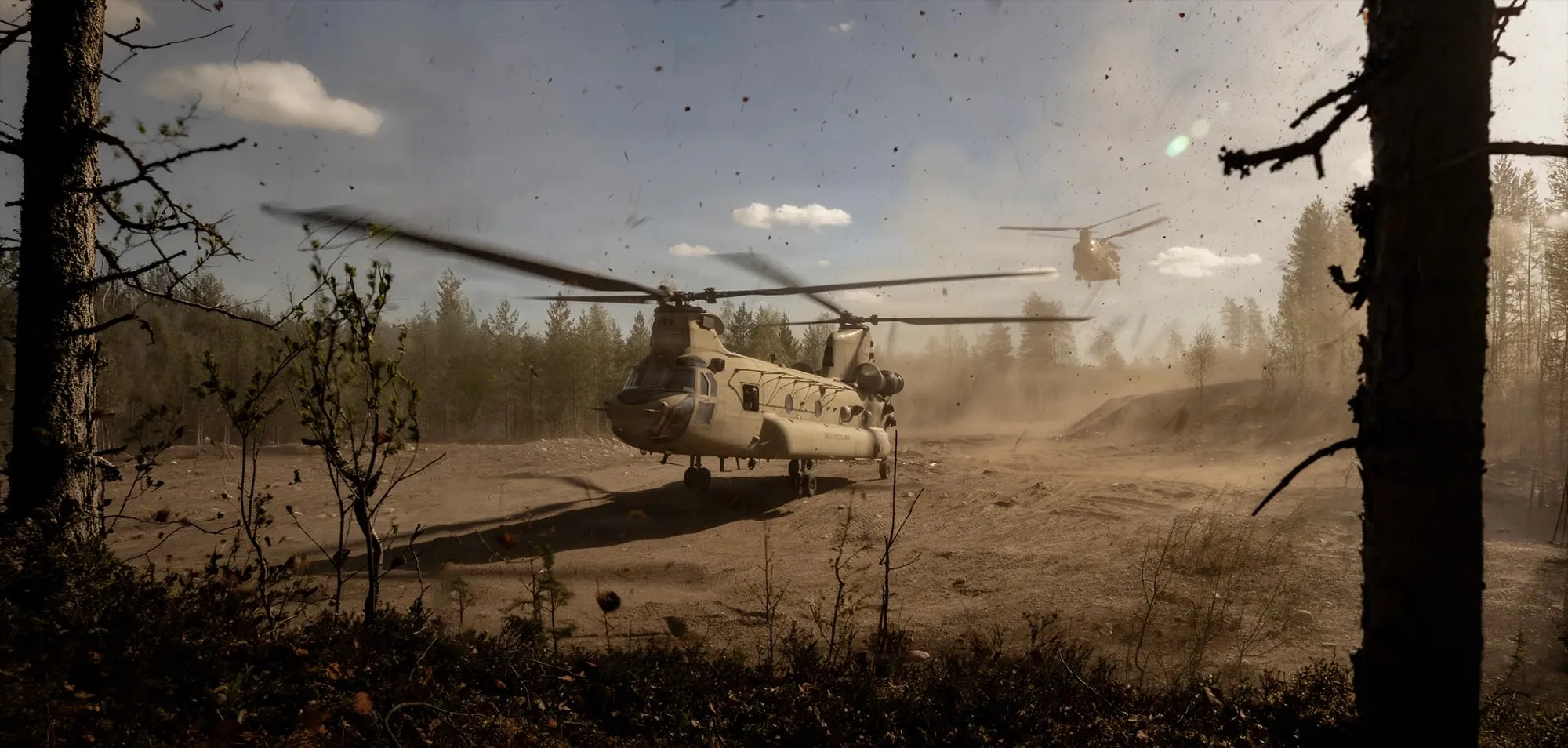
Military helicopters are being asked to fly farther, stay airborne longer, and operate across increasingly demanding mission profiles.
The aircraft are evolving to make that possible.
Now the equipment supporting the people inside them has to evolve too.
AIRION is working with U.S. Army and U.S. Air Force rotary-wing communities to develop a new helicopter configuration of AIRUS — adapted specifically around helicopter seats, harnesses, flight equipment, and long-duration missions.
The mission is getting longer.
For rotary-wing aircrew, endurance has traditionally been constrained by more than fuel.
A standard UH-60 Black Hawk has roughly two hours of normal fuel endurance, but Army configurations with extended-range fuel systems can support operations exceeding five hours without refueling.
The U.S. Air Force’s HH-60W Jolly Green II pushes that mission even further. The aircraft was designed with improved range, a new fuel system, and aerial-refueling capability specifically intended to extend its operating range across a larger battlespace.
And that trend is continuing.
The Army’s next-generation MV-75 is being developed around dramatically increased speed and range, with the Army describing an aircraft capable of flying roughly twice as fast and twice as far as current platforms.
More fuel means more range.
More range means more time in the aircraft.
And more time in the aircraft creates a very human problem.
You can extend the aircraft. You have to extend the aircrew too.
A helicopter can carry more fuel.
The pilot can’t simply stop needing water.
For long-duration missions, aircrew can face the same tradeoff that originally drove development of AIRUS in the fighter community: drink normally and eventually need bladder relief, or intentionally restrict hydration to avoid dealing with it inside the aircraft.
Neither is a good operational solution.
We’re giving aircraft the ability to stay airborne longer and travel farther. We need to make sure we’re giving the aircrew inside those aircraft the same endurance.
That’s the problem AIRION is now working to solve for rotary-wing aviation.
Built around the helicopter.
A helicopter cockpit creates a different set of requirements than a fighter aircraft.
The seating position is different.
Harness geometry is different.
Aircrew move differently inside the aircraft.
Mission equipment is different.
And depending on the platform and mission, pilots and crew may need to remain connected to that equipment for hours.
The new AIRUS rotary-wing configuration is being developed around those realities rather than simply taking the fighter configuration and placing it in a helicopter.
The objective is straightforward:
Make bladder relief disappear into the mission.
The AIRUS interface is worn by the aircrew member and connects to the system only when relief is needed. A compact pump evacuates fluid into a sealed collection bag, allowing the operator to remain seated, restrained, and focused on the aircraft.
The core AIRUS technology works, but rotary-wing gives us a different design problem. We’re looking closely at the seat, the harness, where equipment is carried, how the crew moves, and where every component should live so the system feels like it belongs in the aircraft.
Designed for the crew, not just the pilot.
Rotary-wing aviation also expands the AIRUS mission beyond the traditional two-seat fighter cockpit.
Depending on the platform, a mission may involve pilots, crew chiefs, medics, rescue personnel, or other aircrew operating together for extended periods.
That means the solution has to work within a larger ecosystem of people, equipment, and limited cabin space.
AIRION is approaching the helicopter configuration as a complete aircrew system — compact enough to integrate into the aircraft while preserving the simplicity that defines AIRUS.
Wear it. Connect when needed. Relieve. Disconnect. Keep flying.
Human endurance is part of aircraft endurance.
Modern military aviation is increasingly focused on range.
The Air Force has said future combat environments require forces to maneuver further and faster, while newer rotary-wing platforms are being designed with greater mission range and endurance.
But aircraft endurance and human endurance can’t be treated as separate problems.
If a helicopter can remain airborne for five, six, or more hours, the crew needs equipment designed around that same mission duration.
Hydration.
Nutrition.
Comfort.
Bladder relief.
They’re human requirements, but on a long-duration mission they become operational requirements.
The aircraft shouldn’t be able to outlast the people flying it because we forgot about basic human needs. That’s the bigger idea behind AIRUS. Keep the aircrew comfortable, hydrated, and focused for as long as the aircraft can stay in the fight.
AIRUS for rotary-wing.
AIRUS began in the fighter cockpit.
The next evolution takes that same fundamental capability and rethinks it for an entirely different aviation environment.
New seats.
New harnesses.
New mission profiles.
Longer flights.
AIRION is now developing the next AIRUS configuration for U.S. Army and U.S. Air Force rotary-wing aircrew.
Because as aircraft go farther, the people inside them have to go farther too.
- Configuration
- Rotary-wing, in development
- Developed with
- U.S. Army and U.S. Air Force rotary-wing communities
- Mission driver
- Extended-range operations exceeding five hours
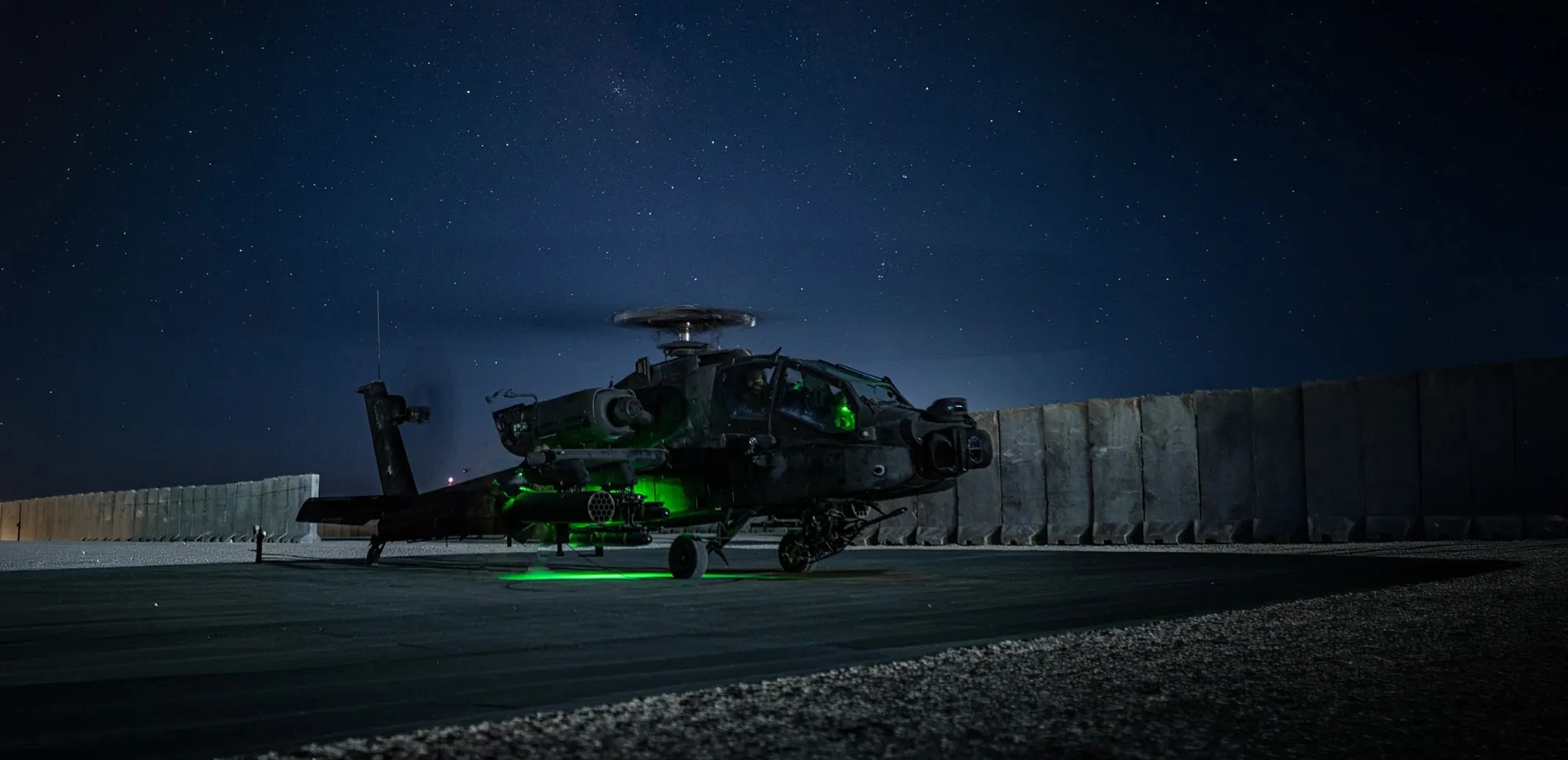
- AIRUS rotary-wing
- AIRION
- helicopter aircrew equipment
- in-flight bladder relief
- UH-60 Black Hawk
- HH-60W Jolly Green II
- MV-75